Curious About What the Kids Are Doing with Their Animals?
We get it - it might look a little unusual at first.
If you’re used to seeing pets like dogs and cats, working with livestock can feel different. But what you’re seeing is something really meaningful—education, responsibility, and connection in action.
Here’s a closer look at what’s going on—and why it matters.
Why Show Livestock?
Livestock projects aren’t common in many communities—especially in our old neck of the woods—which is exactly why we’re so passionate about opening the barns and inviting people in.
When young people raise and show animals, they gain far more than ribbons.
They build responsibility, patience, sportsmanship, time management, confidence, and respect—for both animals and people. These aren’t surface-level lessons; they’re lived experiences that stick
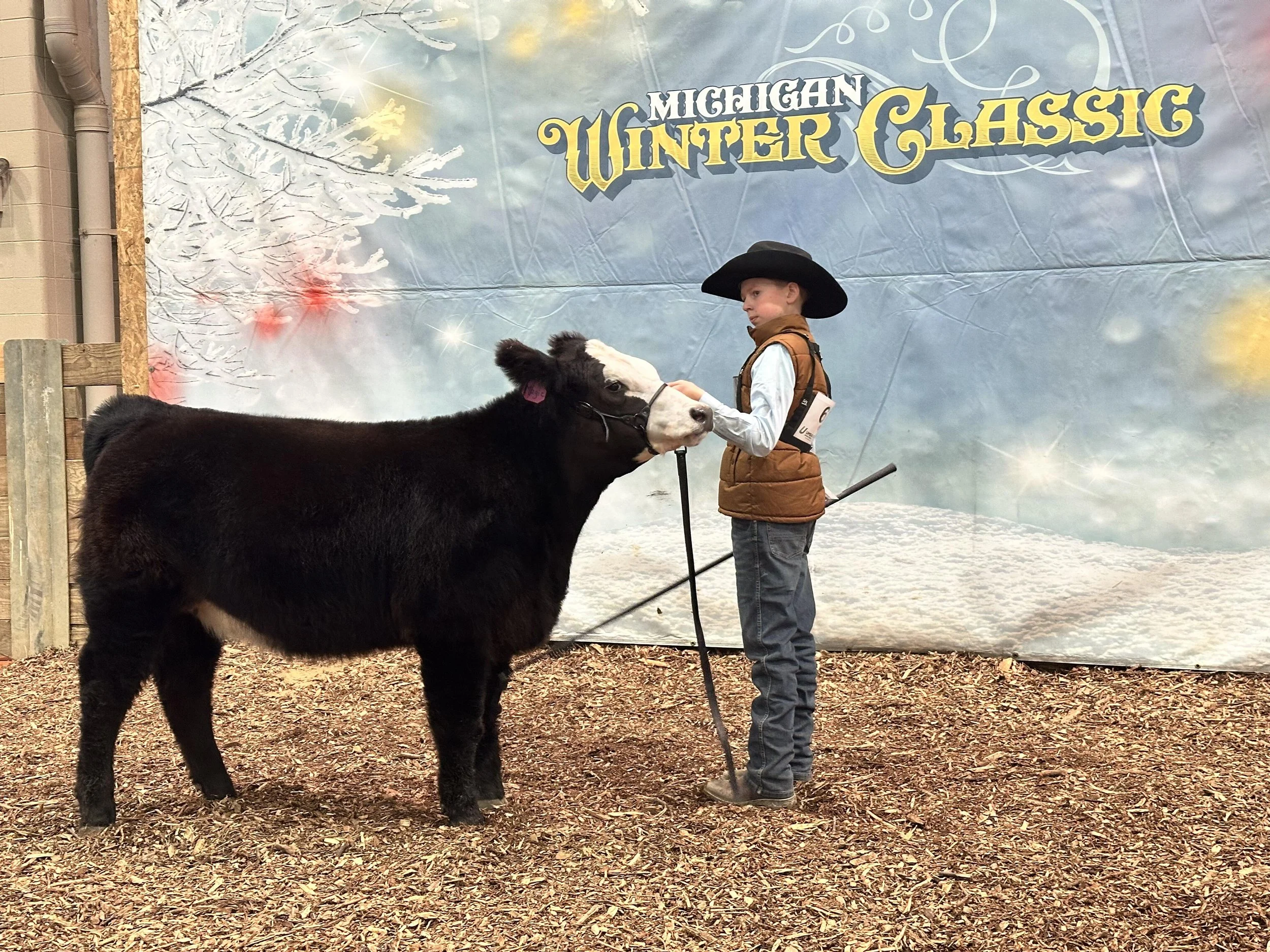
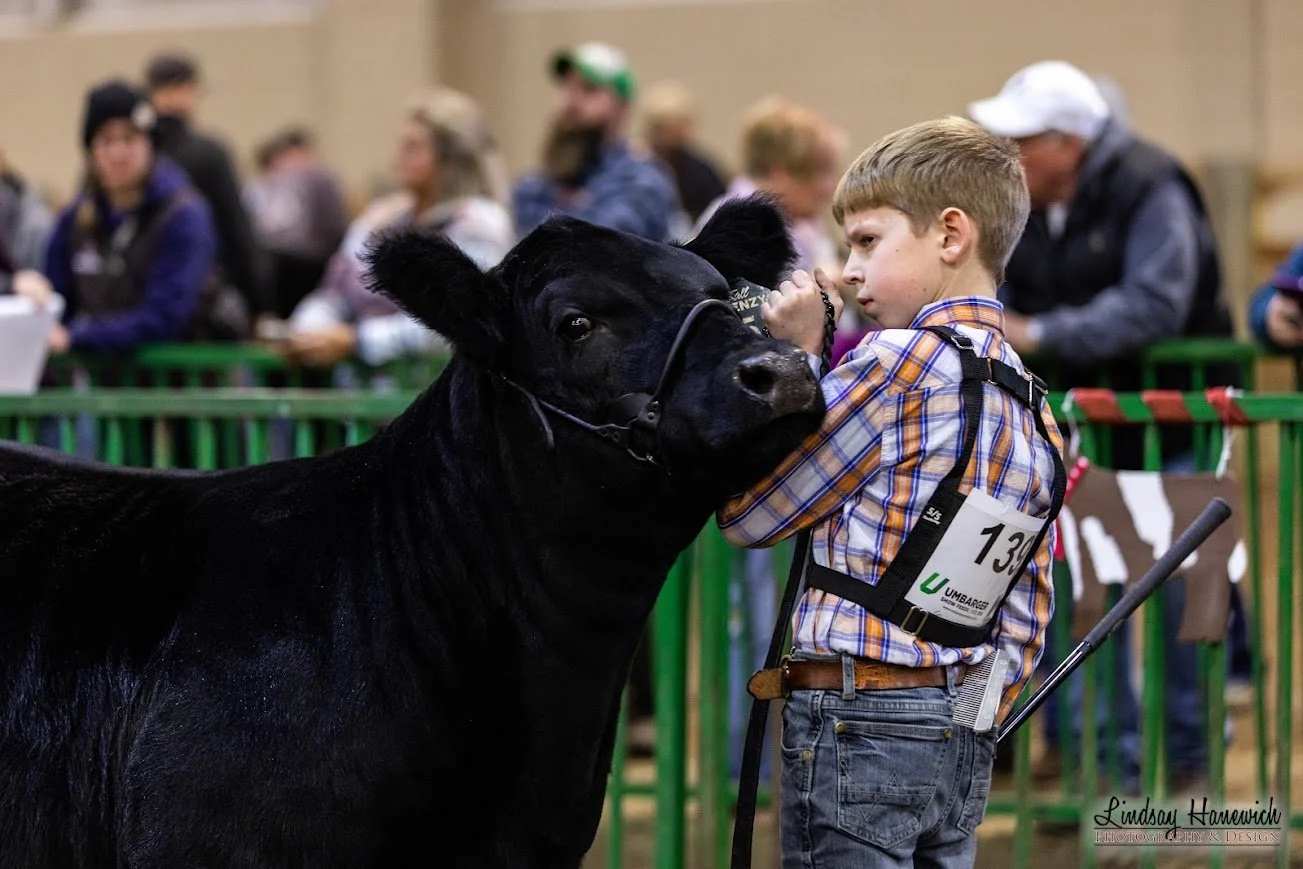
What Is Showmanship?
Livestock projects—often part of 4-H, FFA, and school agriculture programs—are powerful, hands-on learning experiences.
Through these programs, youth learn how to responsibly raise, care for, and present animals. Over time, they develop not only practical skills, but also confidence, discipline, and pride in their work.
Many of these are market projects, meaning the animal is raised with the intention of being sold at a fair or auction. This introduces another important layer: understanding the food system and the economics behind it.
Participants track expenses, manage budgets, and take ownership of their work from start to finish—all while forming a meaningful connection to the animal and the process.
Tied Up? Here’s Why
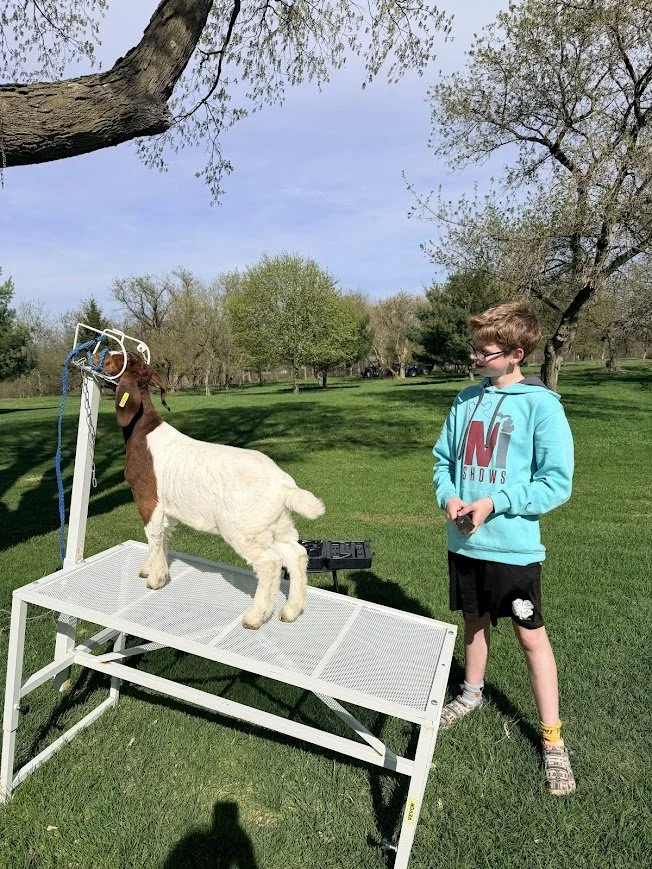
It’s common to see animals tied during training. This helps them learn patience and become comfortable standing still—an essential skill for the show ring.
This time is always carefully monitored. Often, music or activity is introduced to simulate the sights and sounds of a real show environment. Trained adults are always nearby, even if you don’t immediately see them.
What Are They Doing?
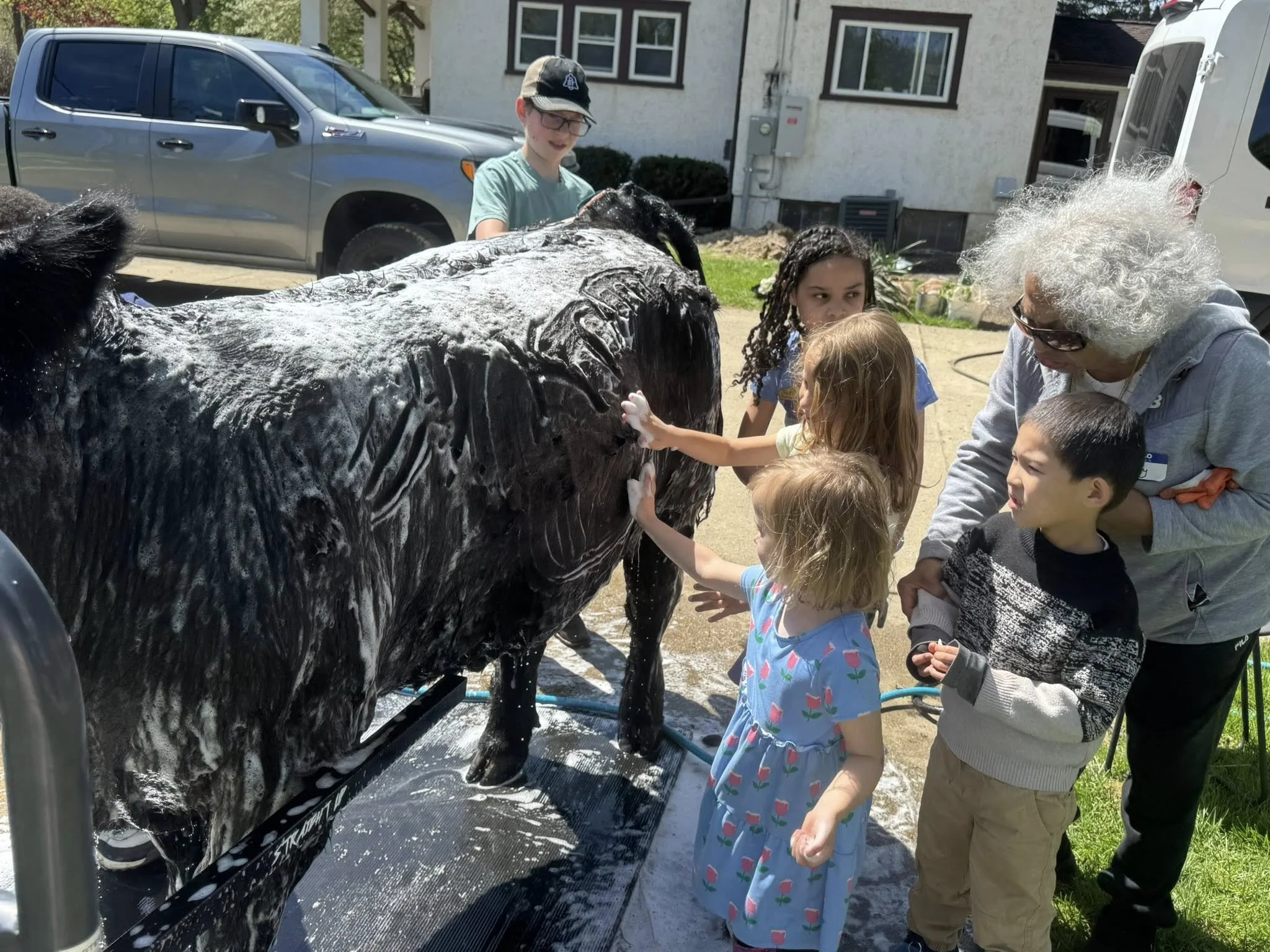
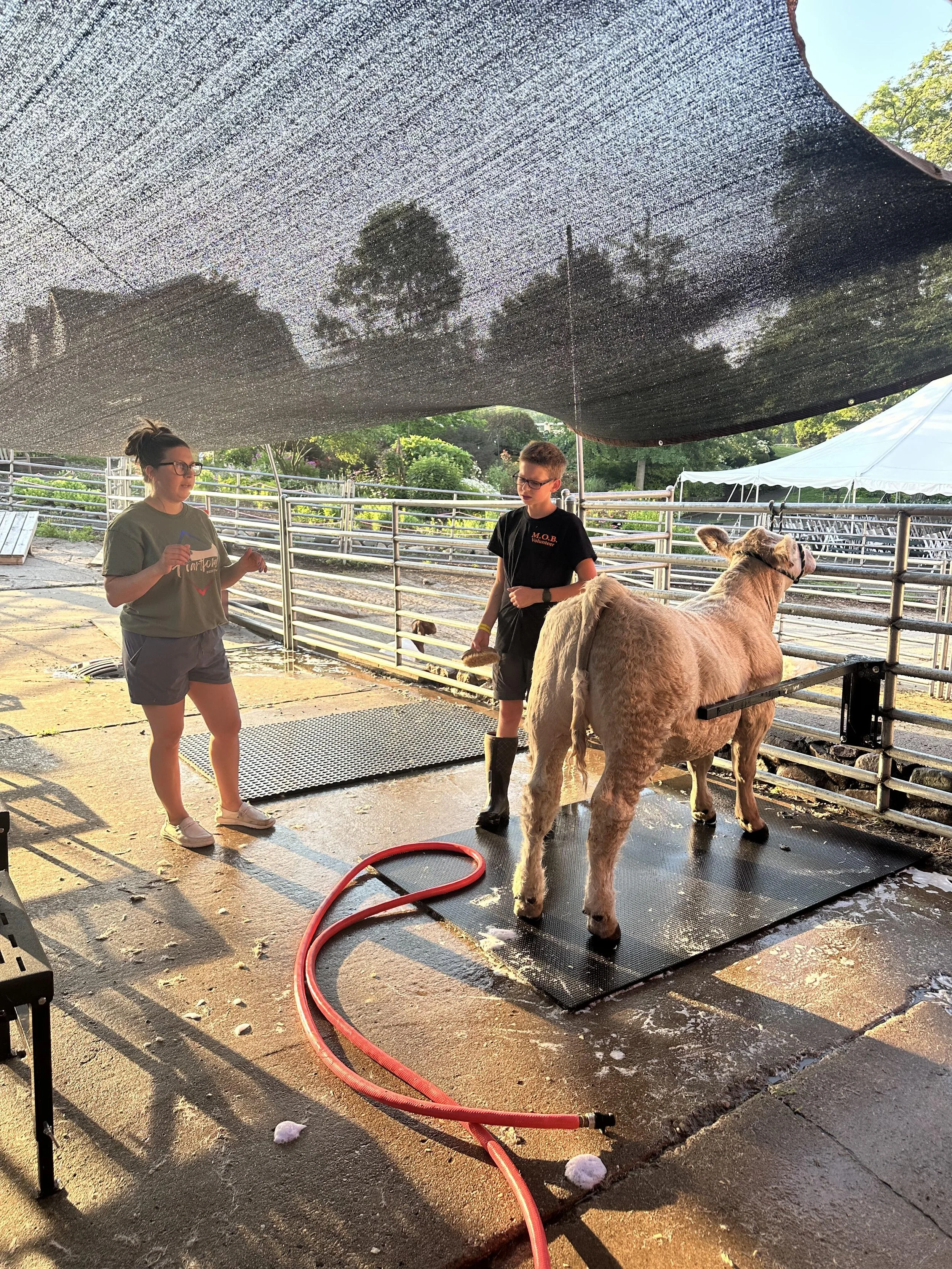
Washing & Drying
Clean animals are healthy animals. Regular bathing helps maintain the condition of the skin and coat, much like personal care for us. In the show ring, presentation matters, and good grooming supports overall health.
Leg Wraps
You might notice colorful wraps, especially on sheep. These help protect the wool from dirt, chewing, or rubbing after a bath, keeping it clean and show-ready.
Clipping
Yes—animals get haircuts! Clipping enhances their natural features and helps them look their best. Think of it as getting ready for a big event.
At Its Heart, This Is Education in Action
Whether through a 4-H club, an FFA chapter, or a school agriculture program, these students are learning far beyond the barn.
They’re building life skills, developing confidence, and gaining a deep respect for animals, agriculture, and the work it takes to care for both.
Thank you for taking the time to learn, ask questions, and support them.
These young people rely on a community that shows up—cheering them on, encouraging their efforts, and investing in their growth.
If you’re looking for a meaningful way to support them, consider attending the auction at the Oakland County Fair this summer.
Many participants will share their stories through buyer letters, inviting others to be part of their journey.